Hügelkultur
Hill-mound cultivation
Logs and woody material are layered beneath the soil, creating underground sponges that hold moisture and feed wood-decaying fungi for years.
Meet Jack Davis: San Joaquin Valley farmer since his early teens, ISA-certified arborist, and the soil builder behind a rigorous two-year biological curing process.
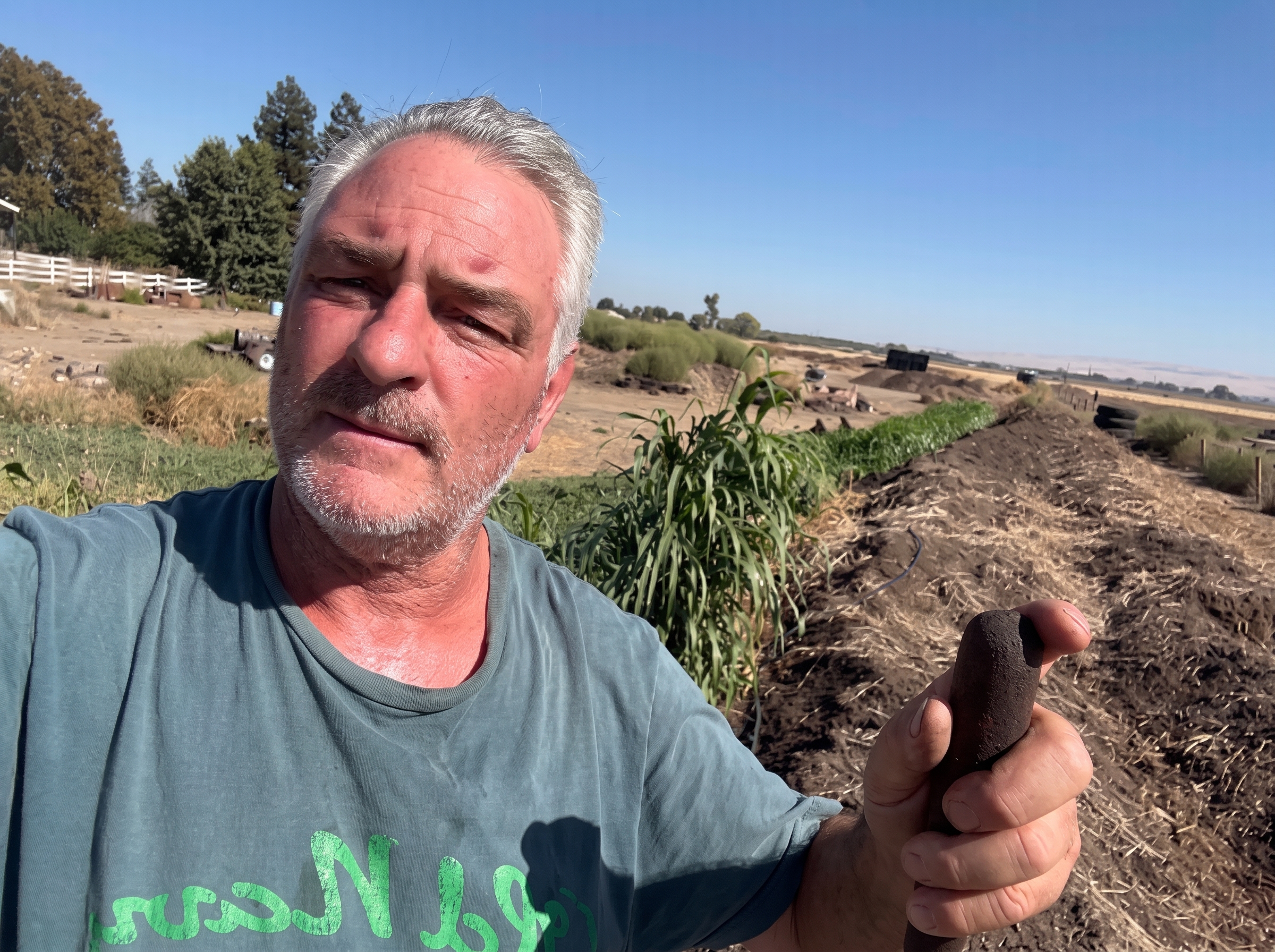
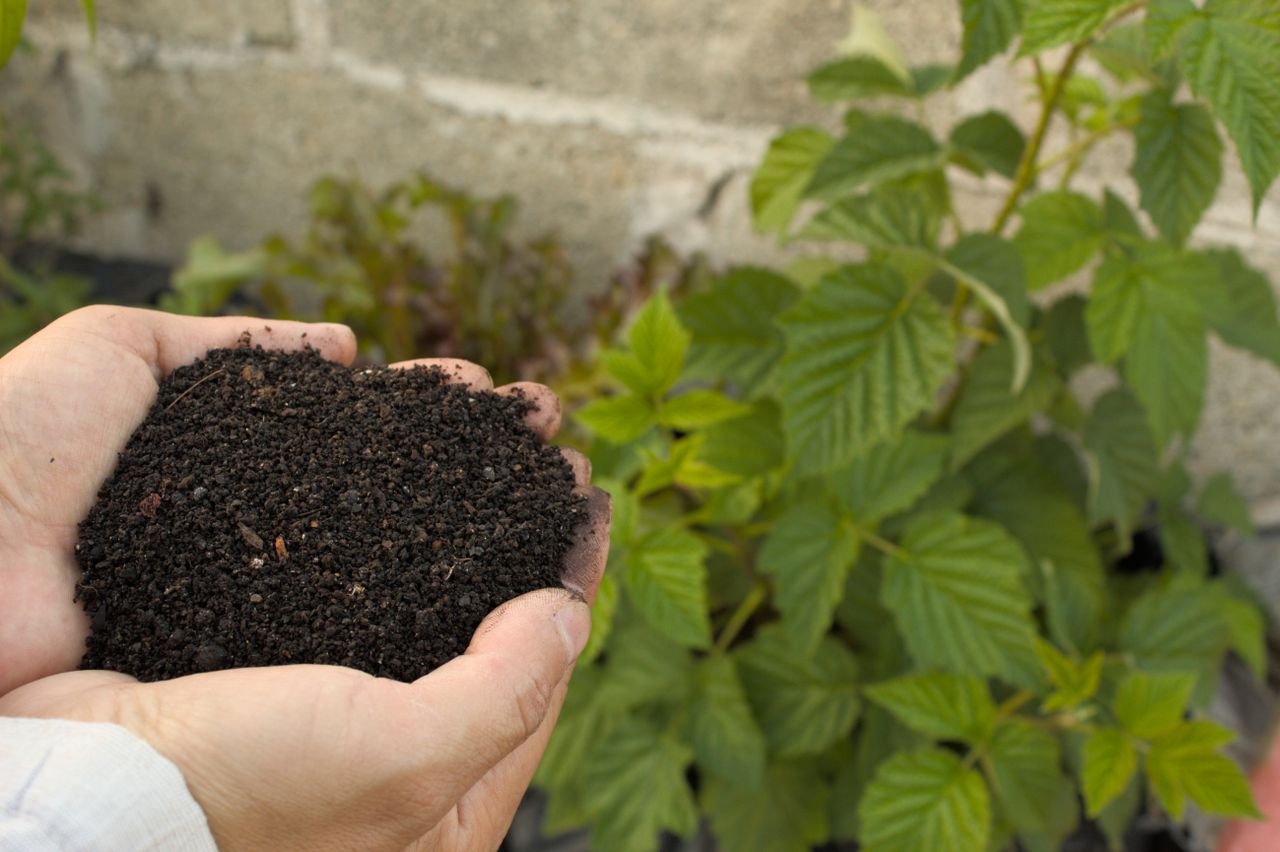
Jack Davis didn't learn soil science behind a desk. He learned it on the farms and ranches of California's San Joaquin Valley, where he started working as a young teen. Over several decades he did it all, from hands-on growing and harvesting to marketing and delivery.
Caring for crops and orchards led him to become an arborist certified by the International Society of Arboriculture (ISA), and from there into soil science and how it applies to agriculture. Working directly on tree health, he kept noticing the same thing: wherever the ground beneath trees had been left undisturbed for many years, a rich, dark humus had formed on its own.
Why does an undisturbed forest floor keep building fertility by itself, while worked farm soils depend on constant inputs?
The answer was never up in the canopy. It was resting on the forest floor, in layers of slow, living, porous humus.
That observation started a search of more than 25 years into how nature produces humus soil, and how people can deliberately follow the same process while shortening the time it takes.
Jack recognized that true forest health comes from the slow decomposition of layered woody debris. His search led him to two classical methods, which he studied intensively and then combined into a single procedure.
Hill-mound cultivation
Logs and woody material are layered beneath the soil, creating underground sponges that hold moisture and feed wood-decaying fungi for years.
"Indian black earth"
Pre-Columbian communities enriched poor rainforest soils with charcoal, bones and organic waste, creating dark earths that still hold plant-available nutrients centuries later.
A rich bed for worms
Aged forest humus and rotted wood, charged with biochar, then refined by composting worms for a full year.
This development effort evolved a fertilizer program that blends base materials of biochar with aged wood humus, creating a carbon-rich worm bedding that provides a perfect host environment for beneficial fungi and bacteria.— Jack Davis
For years Jack saw an abundance of biomass waste in every part of crop production and tree maintenance. He invested in chippers and grinders to recycle it, only to discover they didn't hold the entire solution. Then the idea of making biochar from that waste took hold, and he began studying how to make it practical.
"By some Grace, the idea of making biochar came to me as a little thought."
His kilns are built for logs and stumps, not wood chips or fines. Two of his models can also cook wood chips in chambers separated from the direct fire to produce biochar.
Today his biochar kilns run smoke-free. Of his latest design he says it "proved to be better than the air curtain burner," the open-pit system commonly used to dispose of wood waste.
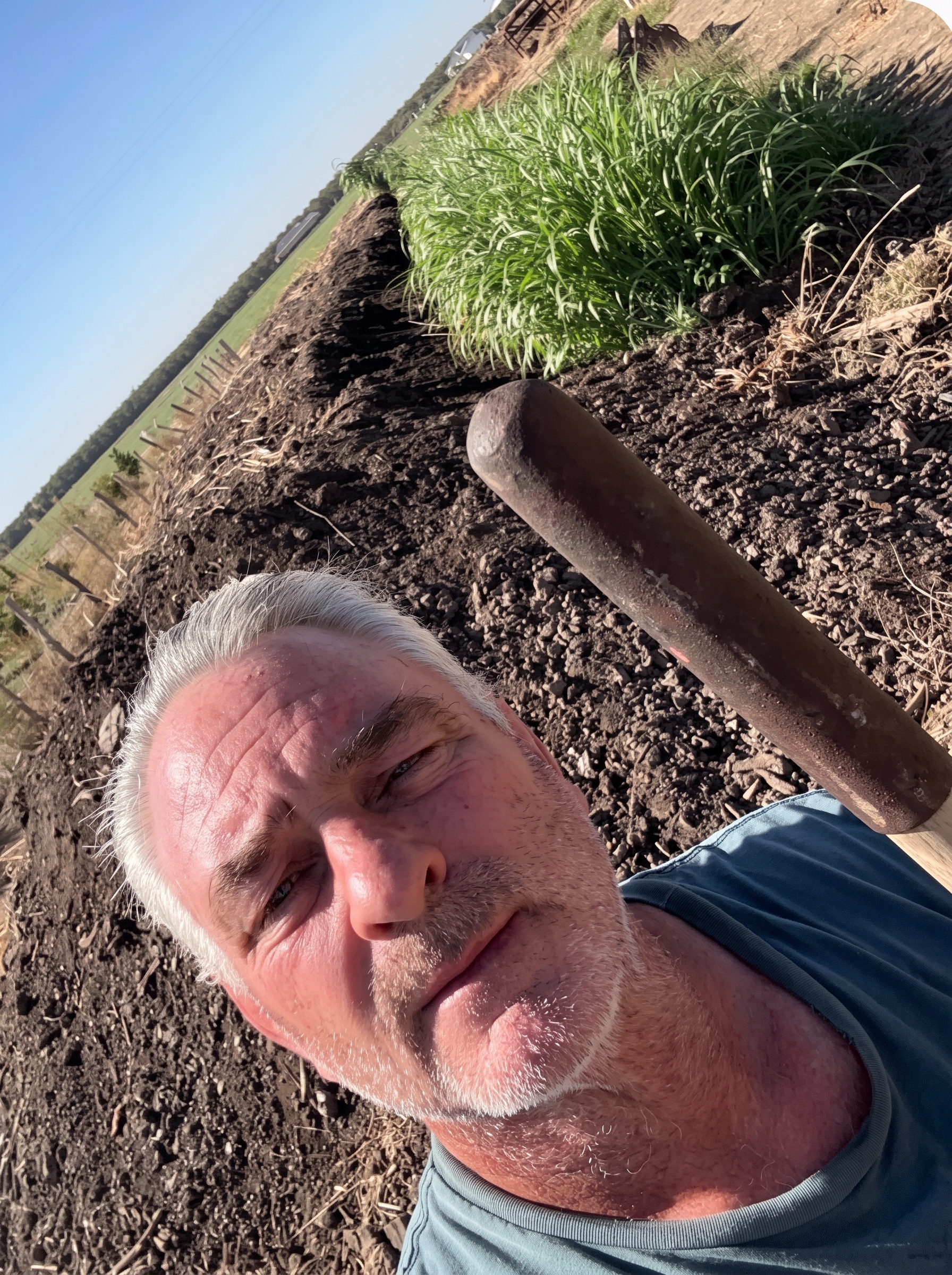
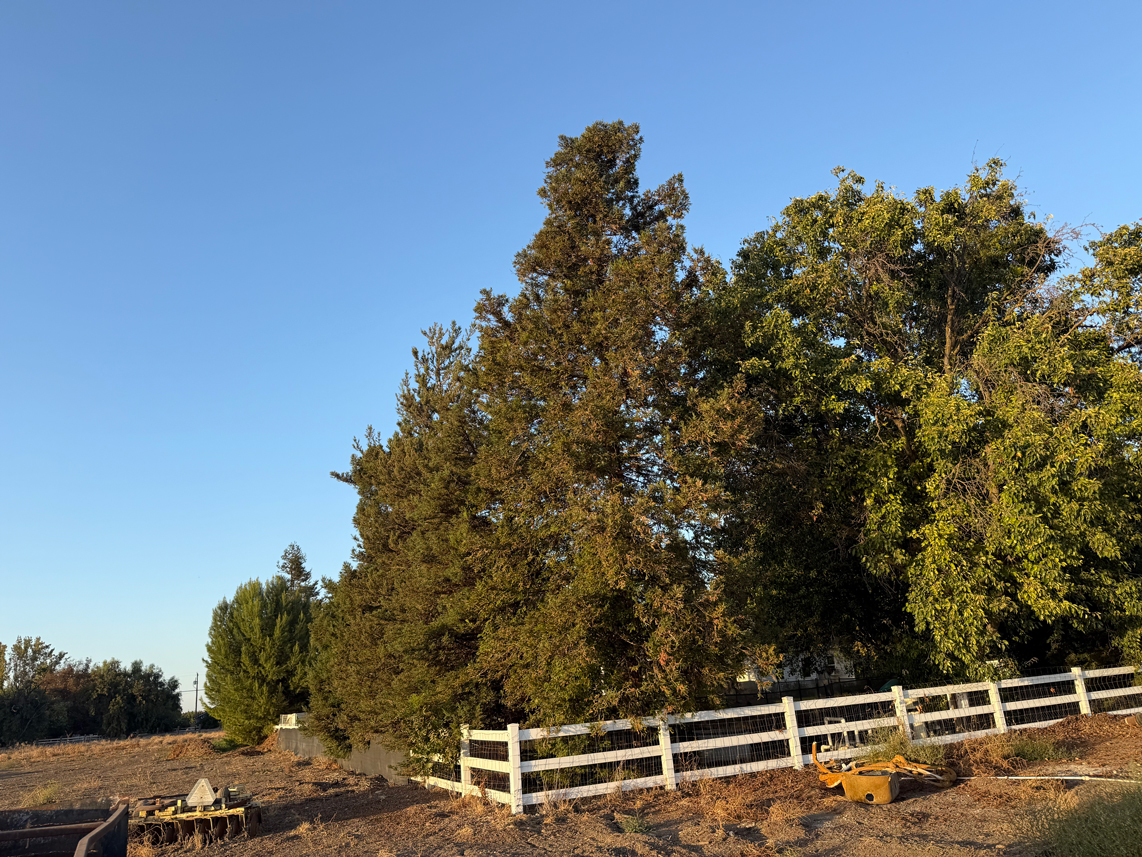
For Jack Davis, every composting windrow is also a climate solution. Tree trimmings and food scraps sent to landfill break down without oxygen and release methane (CH₄), a potent greenhouse gas. Burned in open piles, the same material sends its carbon straight back into the air.
Davis Ag intercepts these waste streams and turns them into stable biochar and vermicompost. Converting wood to biochar keeps roughly half of its carbon in a form that can stay in the soil for centuries, and composting food waste the right way avoids the methane and nitrogen gases it would release in a landfill. As Jack puts it, all of the wood and green waste he uses "qualify as landfill diverted material."
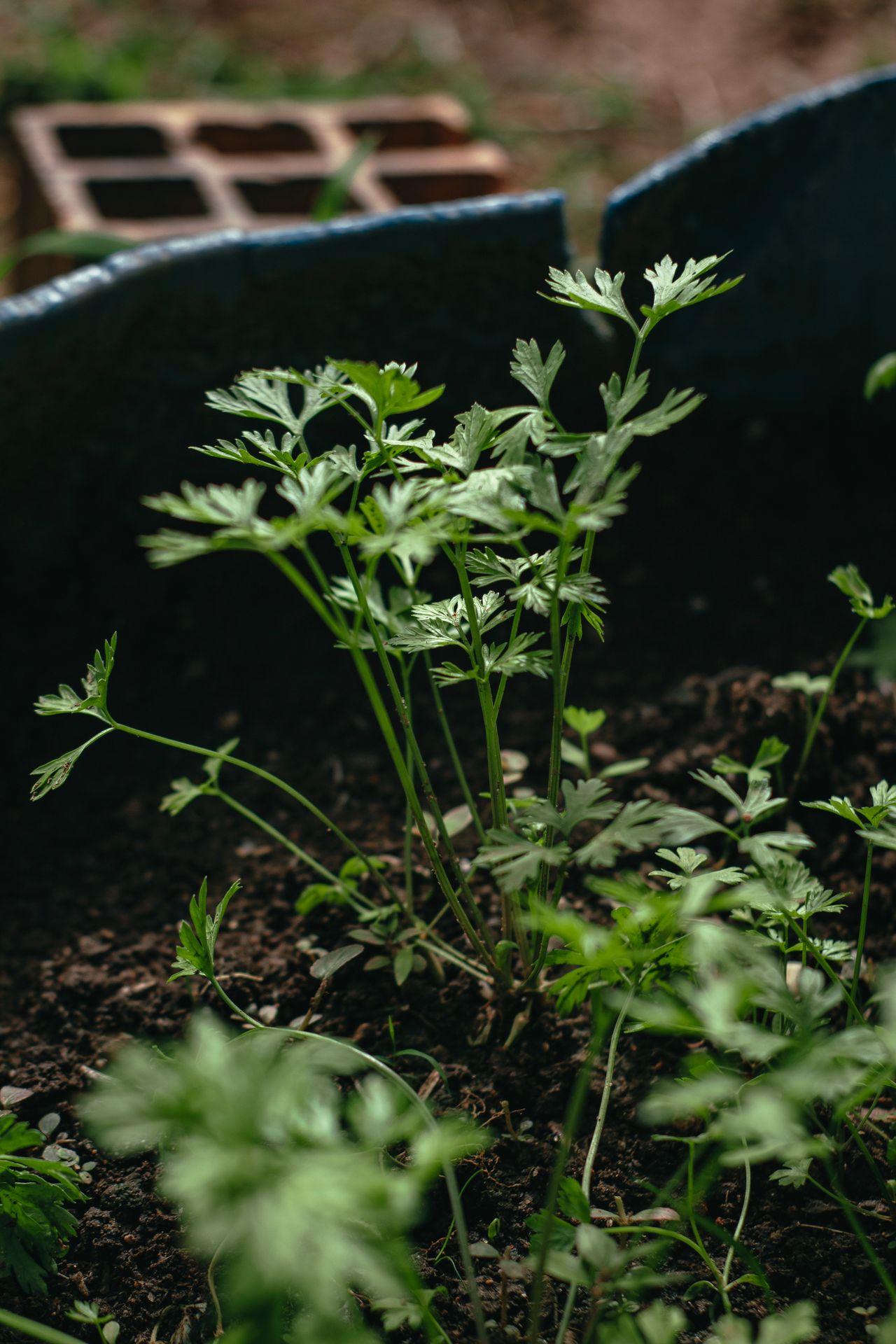
I embarked upon a journey of enlightenment. Now I want to help people and communities with healthy, efficient solutions to common agricultural needs.— Jack Davis
The 24-month cured soil will be released in 2027: in bulk for growers, and in 2 lb and 5 lb bags for home gardens.